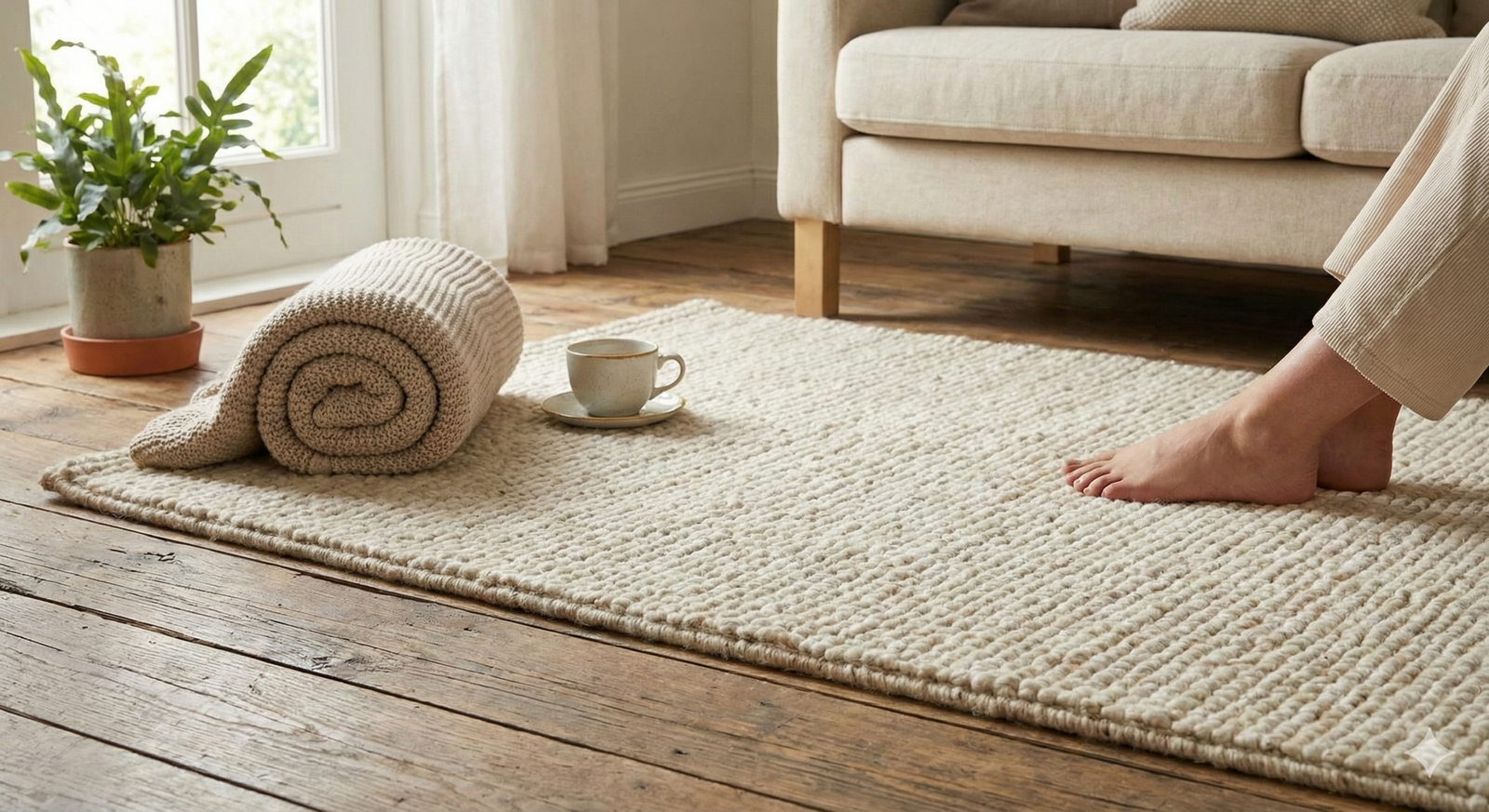
Wollmatten: The Ultimate Guide to Natural Comfort and Sustainable Living
Introduction
In a world increasingly dominated by synthetic materials and mass-produced home goods, there is a quiet revolution returning us to the roots of comfort: Wollmatten. Whether you are seeking a toxin-free surface for your yoga practice, a temperature-regulating layer for your bedroom, or simply a slice of nature for your living room, these wool mats offer a solution that is both ancient and innovative. As we become more conscious of our environmental footprint and the health impacts of microplastics, natural wool products have surged in popularity, not just as a trend, but as a lifestyle imperative.
Why does this matter to you? Because the quality of the materials we surround ourselves with directly impacts our well-being. Wollmatten are not merely rugs; they are bioactive textiles that breathe, insulate, and purify the air in your home. This article will serve as your comprehensive guide to understanding the unique benefits of wool mats. We will explore their origins, their incredible versatility in modern interior design, and the science behind their durability. By the end of this read, you will understand why investing in a high-quality wool mat is an investment in a healthier, more sustainable future for you and your family.
What are Wollmatten? defining the Essence
At its core, Wollmatten translates from German to “wool mats,” but in the context of high-end lifestyle products, it refers to dense, felted, or woven mats made from 100% natural sheep’s wool. Unlike synthetic blends, true Wollmatten retain the lanolin and structural integrity of the raw fiber.
- Natural Composition: Made from pure virgin wool, often sourced from Merinos or specific mountain sheep breeds.
- Structure: Can be woven, knitted, or compressed into dense felt for durability.
- Tactile Experience: Offers a soft yet supportive texture that synthetic fibers cannot replicate.
The Science of Wool: Why It Works
To understand the value of Wollmatten, one must understand the biology of the fiber itself. Wool is a protein fiber with a unique crimp that creates pockets of air, making it an exceptional insulator.
- Hygroscopic Properties: Wool can absorb up to 30% of its weight in moisture without feeling wet.
- Temperature Regulation: Keeps you warm in winter and cool in summer by managing humidity.
- Self-Cleaning: The natural lanolin coating repels dirt and prevents bacterial growth.
Wollmatten for Yoga and Meditation
One of the most popular uses for Wollmatten today is in the wellness community. Yoga practitioners and meditators are trading in their sticky PVC mats for the grounding energy of natural wool.
- Energy Flow: Natural materials are believed to insulate the body’s energy field better than plastic.
- Comfort: The cushioning is superior for joints during long meditation sessions or restorative yoga.
- Grip: High-quality wool mats often feature a natural latex backing to prevent slipping.
Integrating Wollmatten into Home Decor
Beyond utility, Wollmatten serve as stunning aesthetic pieces. The texture of raw wool adds a layer of “Hygge” the Danish concept of cozy contentment to any minimalist or rustic interior.
- Visual Warmth: The organic texture softens the hard lines of modern furniture.
- Versatility: They work as floor rugs, throw blankets, or even wall hangings.
- Color Palette: Typically available in natural earth tones like cream, grey, and anthracite, which blend seamlessly with any style.
Sustainability and Eco-Impact
In an era of fast fashion and disposable decor, Wollmatten stand out as a beacon of sustainability. Wool is a renewable resource; sheep need to be shorn annually for their health.
- Biodegradable: Unlike nylon or polyester, wool decomposes naturally, returning nutrients to the soil.
- Low Carbon Footprint: Processing wool requires significantly less energy than manufacturing synthetic fibers.
- Ethical Sourcing: reputable brands prioritize “mulesing-free” wool, ensuring animal welfare.
Durability and Longevity
A common misconception is that natural fibers are fragile. In reality, Wollmatten are incredibly resilient. A wool fiber can be bent 20,000 times without breaking, compared to just 3,000 times for cotton.
- Elasticity: The natural crimp allows the mat to bounce back to its original shape after compression.
- Flame Resistance: Wool is naturally flame retardant and does not melt like synthetic plastics.
- Investment Piece: With proper care, a wool mat can last for decades, often becoming an heirloom.
Health Benefits: Hypoallergenic and Air Purifying
Did you know your rug could improve your air quality? Wollmatten act as a natural filter, trapping dust and allergens until they can be vacuumed away, rather than letting them float in the air.
- VOC Absorption: Wool can absorb volatile organic compounds (harmful gasses) from paints and furniture.
- Anti-Microbial: It creates an environment where bacteria and dust mites struggle to survive due to moisture control.
- Skin Friendly: Pure wool is gentle on the skin and rarely causes allergic reactions compared to synthetic chemicals.
Comparison: Wollmatten vs. Synthetic Mats
To visualize the difference, let’s look at a direct comparison between a natural wool mat and a standard synthetic option.
Table 1: Material Performance Comparison
| Feature | Natural Wollmatten | Synthetic (Poly/PVC) Mat |
| Breathability | High (Active airflow) | Low (Traps heat/sweat) |
| Biodegradability | 100% Biodegradable | Takes 100+ years to degrade |
| Odor Resistance | High (Traps odor molecules) | Low (Retains smells) |
| Fire Safety | Self-extinguishing | Melts and burns |
| Cost | Higher upfront investment | Cheap but frequent replacement |
Caring for Your Wollmatten
Maintaining Wollmatten is surprisingly easy, thanks to the fiber’s self-cleaning properties. You don’t need harsh chemicals or frequent washing.
- Airing Out: Simply hanging the mat outside in fresh air regenerates the fibers.
- Spot Cleaning: Use a damp cloth and mild wool detergent for spills.
- Snow Bath: In winter, placing the mat face down in fresh snow is a traditional method for deep cleaning.
Wollmatten in the Bedroom: Better Sleep?
Placing Wollmatten under your bedsheet or using them as a bedside rug can significantly improve sleep quality. The regulation of body temperature prevents night sweats and disturbances.
- Deep Sleep Stages: Studies suggest sleeping on wool increases the duration of REM sleep.
- Heart Rate: The comfort of wool has been shown to lower heart rates during sleep.
- Comfort Layer: Adds a plush, supportive layer to firm mattresses.
The Investment: Price vs. Value
Wollmatten typically carry a higher price tag than mass-market rugs. However, the cost per use is significantly lower when you factor in longevity.
- Lifecycle Cost: Buying one wool mat for 10 years is cheaper than buying five cheap synthetic ones.
- Resale Value: High-quality wool goods often retain value.
- Health Costs: investing in non-toxic home environments reduces potential long-term health burdens.
Sourcing: How to Identify Real Quality
Not all “wool” mats are created equal. Greenwashing is common, so knowing what to look for is essential when shopping for Wollmatten.
- Check the Label: Look for “100% Virgin Wool” or “New Wool” (Schurwolle).
- Certifications: Seals like Oeko-Tex Standard 100 or GOTS (Global Organic Textile Standard) ensure safety.
- Scent Test: Real wool should smell faintly earthy or neutral, not like chemicals.
DIY and Crafting with Wollmatten
For the creative soul, Wollmatten material (wool felt) is a dream to work with. It cuts cleanly without fraying, making it perfect for custom home projects.
- Seat Cushions: Cut custom shapes for dining chairs.
- Soundproofing: Mount wool panels on walls to dampen noise in home offices.
- Pet Beds: Pets naturally gravitate toward the scent and warmth of real wool.
Case Study: The Yoga Studio Shift
A boutique yoga studio in Zurich switched entirely from PVC mats to Wollmatten for their restorative classes.
- The Challenge: Students complained of cold floors and a “plastic smell” during deep breathing exercises.
- The Solution: Implementing dense merino wool mats.
- The Result: Class retention increased by 15%, with students citing the “grounding” and “cozy” atmosphere as a primary reason for returning.
Future Trends: Wool in Modern Architecture
Architects are rediscovering wool. We are seeing Wollmatten concepts being used not just as floor coverings, but as integrated insulation and acoustic paneling in eco-homes.
- Biophilic Design: Integrating natural elements into building structures.
- Smart Textiles: Research is underway to weave conductive threads into wool for smart home integration.
Final Verdict: Why You Need a Wollmatten
Incorporating Wollmatten into your life is a step away from the disposable culture and a step toward intentional living. It is a choice for health, for the planet, and for a level of comfort that synthetic factories simply cannot engineer.
FAQs
Can I wash my Wollmatten in a washing machine?
Generally, no. Most genuine Wollmatten should be hand-washed or spot-cleaned to prevent felting (shrinking and hardening). Some processed wool mats are machine washable on a delicate wool cycle, but always check the manufacturer’s care label first.
Are Wollmatten suitable for people with wool allergies?
True wool allergy is rare; many people react to the chemicals used in processing wool, not the fiber itself. High-quality, organic Wollmatten that are free from harsh dyes and pesticides are often well-tolerated, even by those with sensitive skin.
Do Wollmatten shed fibers?
New wool products may shed slightly at first, which is a natural process called “pilling.” This usually subsides after a few weeks of use and vacuuming. It does not affect the integrity or thickness of the mat.
Can I use a Wollmatten for hot yoga?
While wool absorbs moisture, it can become heavy when saturated. For extremely sweaty practices like Bikram yoga, a Wollmatten might be used with a thin towel on top, or reserved for the relaxation (Savasana) portion of the class.
How long does a high-quality Wollmatten last?
With proper care, a high-quality wool mat can last 10 to 20 years or more. Its lifespan is significantly longer than synthetic rubber or foam mats, which tend to crumble or lose elasticity after a few years.
Is Wollmatten ethical for vegans?
Strict vegans do not use animal products. However, many ethical consumers choose wool because it is a renewable resource that does not require killing the animal, provided it is sourced from farms that practice humane shearing and are certified mulesing-free.
Why does my new Wollmatten have a distinct smell?
A faint, earthy scent is normal for natural wool; it is the smell of the lanolin oil which protects the fiber. This scent usually dissipates within a few days of airing out. If it smells like chemicals, it may be a lower-quality processed product.
Conclusion
The resurgence of Wollmatten is more than just a passing interior design fad; it is a testament to our collective desire to reconnect with nature. In a digital, high-speed world, these wool mats offer a physical space of softness, warmth, and grounding. Whether you unroll one for your morning sun salutations, place it by your bedside to greet your feet in the morning, or use it to create a non-toxic play area for your children, the benefits are tangible.
By choosing Wollmatten, you are prioritizing indoor air quality, supporting sustainable farming practices, and investing in a product that defies the culture of obsolescence. As we move forward, the most advanced technology we can bring into our homes might just be the one that nature perfected thousands of years ago. It is time to embrace the comfort, durability, and natural luxury that only wool can provide.