In the competitive world of professional baking, the first impression doesn’t happen at the first bite; it happens the moment a customer lays eyes on your packaging. Bakery Boxes serve as the silent ambassadors of your brand, bridging the gap between a delicious kitchen creation and a satisfied consumer. Whether you are running a high-volume commercial patisserie or a boutique artisanal shop, your choice of packaging communicates your commitment to quality, hygiene, and aesthetic excellence. In an era where “unboxing” experiences dominate social media, the structural integrity and visual appeal of your containers can make or break your marketing efforts.
This comprehensive guide is designed to solve the logistical and branding puzzles many bakery owners face. We will explore how the right packaging protects your delicate pastries from environmental factors while simultaneously acting as a mobile billboard for your business. By the end of this article, you will understand the technical specifications of different materials, the psychological impact of custom designs, and the sustainable shifts occurring in the global packaging industry. Our goal is to provide actionable insights that help you reduce overhead costs and increase customer loyalty through strategic packaging choices.
The Strategic Importance of Professional Packaging
For any food-based enterprise, the container is as vital as the recipe. Professional containers ensure that your hard work arrives at its destination in pristine condition. Beyond mere transport, they provide a canvas for your brand identity, helping you stand out in a crowded marketplace.
- Product Protection: Prevents physical damage and contamination during transit.
- Brand Recognition: Turns every customer into a walking advertisement for your shop.
- Customer Experience: Creates a sense of luxury and care that justifies premium pricing.
Material Matters: Choosing Between Kraft and Bleached Paperboard
The foundation of any great box is the material it is constructed from. Business owners must weigh the rustic, eco-friendly appeal of brown Kraft paper against the clean, high-contrast look of white SBS (Solid Bleached Sulfate) board.
- Kraft Paper: Durable, recyclable, and perfect for organic or “homemade” branding.
- SBS Board: Provides a superior surface for high-quality color printing and complex logos.
- Corrugated Board: Best for heavy items like multi-tiered cakes or bulk cupcake orders.
Customization: Elevating Your Identity with Unique Designs
Standard white boxes might save money upfront, but custom-designed Bakery Boxes offer a significantly higher return on investment. Customization allows you to incorporate brand colors, social media handles, and QR codes that link directly to your online menu.
- Logo Placement: Top-center is the standard for maximum visibility.
- Color Psychology: Use warm tones to stimulate appetite or pastels for a sophisticated feel.
- Finishing Touches: Consider foil stamping or embossing for a high-end, tactile experience.
Understanding Size and Structural Integrity
Using a box that is too large allows pastries to slide and crumble, while a box that is too small ruins delicate frosting. Precision in sizing is a hallmark of a professional operation.
- Standard Sizes: Common dimensions include $6 \times 6 \times 3$ for donuts and $10 \times 10 \times 5$ for standard cakes.
- Insert Stability: Use custom inserts to hold cupcakes or muffins firmly in place.
- Stackability: Ensure the paperboard grade is strong enough to handle vertical pressure in delivery vans.
The Rise of Windowed Packaging: Selling with Sight
Humans are visual eaters. A clear PET or PLA window allows the artistry of your macarons or tarts to shine through without exposing the food to the elements.
- Visual Appeal: Increases impulse purchases by showcasing the actual product.
- Efficiency: Allows staff and customers to verify orders without opening the seal.
- Material Choice: Ensure windows are anti-fog to maintain clarity in refrigerated displays.
Sustainable Solutions: Meeting the Eco-Conscious Demand
Modern consumers in the United Kingdom and beyond are increasingly prioritizing sustainability. Moving toward compostable or biodegradable packaging is no longer an option; it is a business necessity.
- Biodegradable Coatings: Replace traditional plastic linings with water-based or plant-based alternatives.
- Recycled Content: Look for FSC-certified materials to prove your commitment to forest conservation.
- Minimalism: Reduce excess packaging to lower your carbon footprint and shipping costs.
Cost-Benefit Analysis: Bulk vs. Small Batch Ordering
Managing inventory is a delicate balance. While bulk ordering reduces the price per unit, it ties up capital and requires significant storage space.
| Order Quantity | Price per Unit (Avg) | Storage Requirement | Ideal Business Type |
| 100 – 500 | High | Low | Small Home Bakeries |
| 1,000 – 5,000 | Moderate | Medium | Local Retail Shops |
| 10,000+ | Low | High | Regional Wholesalers |
Preserving Freshness: Ventilation and Moisture Control
Steam is the enemy of a crispy crust. If your Bakery Boxes don’t breathe, your hot croissants will become soggy before the customer gets home.
- Ventilation Holes: Small, strategic punctures allow heat to escape without letting in dust.
- Grease Resistance: Coated interiors prevent butter and oils from seeping through and staining the exterior.
- Odor Neutrality: Ensure the materials used do not impart a “paper” taste to delicate creams.
Specialized Containers for Cakes and Heavy Pastries
Cakes require a different engineering approach than cookies. The weight distribution and height demand a box that can be opened from the side rather than the top.
- Front-Loading Designs: Allows the cake to be slid out rather than lifted, preventing smudged edges.
- Corrugated Bases: Provides a rigid foundation that won’t flex under the weight of heavy ganache.
- Locking Tabs: Secure closures that won’t pop open during a bumpy car ride.
Cupcake Inserts: The Secret to Perfect Presentation
The cupcake industry relies heavily on the “perfect swirl.” Without a dedicated insert, your topping will inevitably end up on the side of the box.
- Standard Holes: Usually $2.5$ inches in diameter to fit most baking liners.
- Finger Holes: Small cut-outs that allow customers to lift the cupcake out easily.
- Versatility: Many inserts are reversible, offering different hole counts on each side.
Seasonal Packaging: Capitalizing on Holidays
Themed Bakery Boxes for Christmas, Valentine’s Day, or Eid can significantly boost seasonal sales. Limited edition packaging creates a sense of urgency and “gift-readiness.”
- Color Palettes: Red and gold for winter; bright florals for spring.
- Value Add: Ribbon slots or built-in handles make the box feel like a premium gift.
- Sticker Branding: A cost-effective way to theme plain boxes without a full custom print run.
Logistics and Shipping: From Warehouse to Doorstep
If you ship your baked goods via courier, your packaging needs to be “mail-safe.” This requires a double-walled approach to survive the rigors of automated sorting systems.
- Outer Shippers: Use a secondary corrugated box to protect the decorative inner box.
- Tamper-Evident Seals: Protects consumer health and builds trust in your delivery service.
- Thermal Liners: Necessary for temperature-sensitive items like chocolates or cheesecakes.
Case Study: The “Artisan Rise” Boutique Success
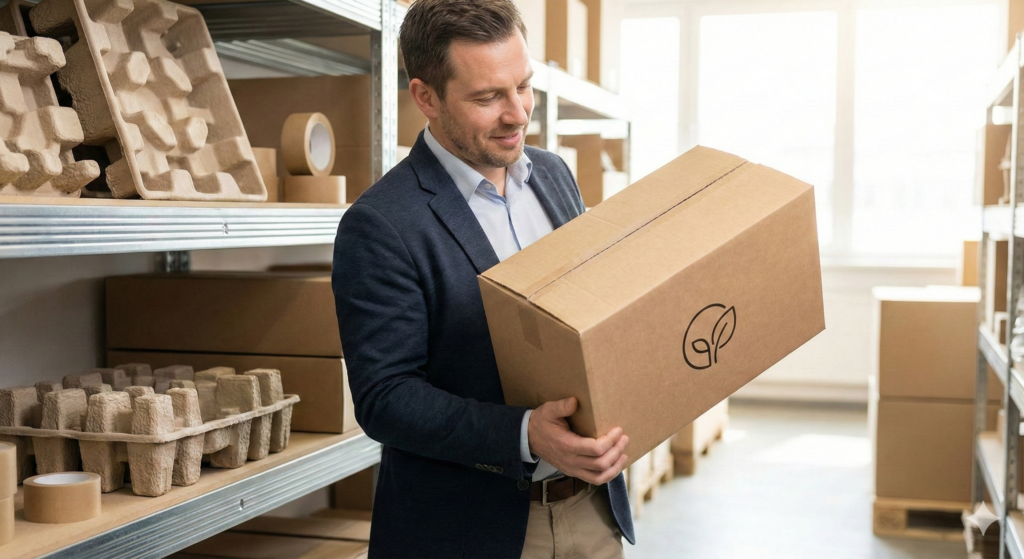
A local bakery in Middlesex transitioned from generic plastic bags to custom-branded Kraft Bakery Boxes. Over six months, they tracked the following results:
- Social Media Tags: Increased by $140\%$ as customers shared photos of the packaging.
- Perceived Value: The bakery successfully raised prices by $15\%$ without a drop in volume.
- Customer Loyalty: Repeat business grew as the brand became more recognizable in the community.
Regulatory Compliance and Food Safety
In the food industry, “pretty” isn’t enough. Your packaging must meet strict safety standards to ensure no harmful chemicals migrate into the food.
- FDA/EU Approval: Ensure all inks and glues are food-grade and non-toxic.
- Allergen Labeling: Use the box surface to clearly state if products contain nuts, dairy, or gluten.
- Sourcing: Work only with reputable suppliers who provide Certificates of Analysis.
The Psychology of the Unboxing Experience
When a customer opens a box, their brain releases dopamine. You can enhance this by adding small details like tissue paper, a thank-you note, or a branded sticker.
- Anticipation: A well-sealed box builds excitement for the contents.
- Sensory Appeal: The sound of a crisp box opening and the smell of fresh bread creates a memory.
- Retention: Customers are more likely to remember your brand if the opening process feels like a “treat.”
Innovative Features: Handles, Windows, and Dividers
Modern engineering has brought clever features to the humble pastry box. These additions improve the utility for the customer, making your product more convenient to carry.
- Built-in Handles: Eliminates the need for an extra plastic carrier bag.
- Pop-up Construction: Saves time for busy staff during peak hours.
- Multi-Tier Dividers: Allows for different types of pastries to be stored in one box without flavor transfer.
Wholesale Sourcing: Finding the Right Partner
Choosing a supplier is as important as choosing a flour vendor. You need a partner who offers consistency, quality control, and reliable lead times.
- Samples: Always request physical samples to test the thickness and “foldability.”
- Lead Times: Ensure they can meet your demands during high-volume periods like December.
- Communication: A good supplier should offer design assistance and advice on material grades.
Future Trends: Smart Packaging and Beyond
The future of Bakery Boxes involves technology. Imagine a box with a freshness indicator or a chip that tells the customer exactly when the loaf was pulled from the oven.
- NFC Tags: Customers can tap their phone to see video of the baking process.
- Active Packaging: Materials that absorb oxygen or moisture to extend shelf life.
- Edible Elements: Research into secondary packaging that can be safely consumed or composted at home.
Common Questions About Bakery Packaging
What is the best material for eco-friendly bakery boxes?
The most sustainable option is high-percentage post-consumer recycled Kraft paperboard. It is easily recyclable and biodegradable. Avoid boxes with heavy plastic laminations if your goal is $100\%$ compostability.
Can I use regular cardboard for food items?
No. You must use “food-grade” paperboard. Regular cardboard may contain recycled chemicals or dyes not meant for direct contact with food, and it might not be grease-resistant, leading to unsightly stains.
How do I choose the right size for a cupcake box?
Measure the base and the height of your tallest cupcake (including frosting and toppers). Choose a box that provides at least $0.5$ inches of clearance on all sides and use an insert with the correct hole diameter to prevent tipping.
Why do my bakery boxes get soggy?
Sogginess is caused by trapped steam. If you package items while they are still warm, moisture condenses on the inside of the box. Use ventilated boxes or ensure products are completely cooled before sealing.
Is it worth paying for custom printing?
For businesses looking to grow, yes. Custom printing acts as a low-cost marketing tool. It builds brand authority and makes your products look more professional, often allowing for a higher retail price point.
Are windowed boxes recyclable?
It depends on the window material. If the window is made of standard plastic, it must be removed before the paperboard is recycled. However, some modern boxes use plant-based “cellophane” windows that are fully compostable.
How should I store my empty boxes?
Store them flat in a cool, dry place away from direct sunlight. High humidity can weaken the paperboard and cause it to warp, making the boxes difficult to assemble or causing them to lose their structural strength.
Conclusion: Investing in Your Bakery’s Success
Choosing the right Bakery Boxes is a fundamental business decision that impacts everything from food safety to brand perception. As we have explored, the ideal packaging is a harmony of form and function it must protect your delicate creations while telling a compelling story to your customers. By prioritizing high-quality materials, correct sizing, and sustainable practices, you position your bakery as a professional, trust-worthy leader in the market.
The shift toward custom, eco-friendly containers is more than just a trend; it is a reflection of evolving consumer values. When you invest in packaging that preserves freshness and showcases your artistry through windows or vibrant designs, you are directly investing in your bottom line. Remember that in the world of retail, the box is the first thing a customer touches. Make that touchpoint count by choosing packaging that reflects the same level of care you put into your ingredients.
If you are ready to elevate your brand, start by auditing your current packaging strategy. Look for areas where you can reduce waste, improve unboxing delight, or better communicate your brand story. Your packaging is a silent partner in your business journey ensure it is saying the right things about you. To learn more about digital outreach and branding for your food business, explore the resources at Wellwisherseo.com to help your expertise reach the audience it deserves.