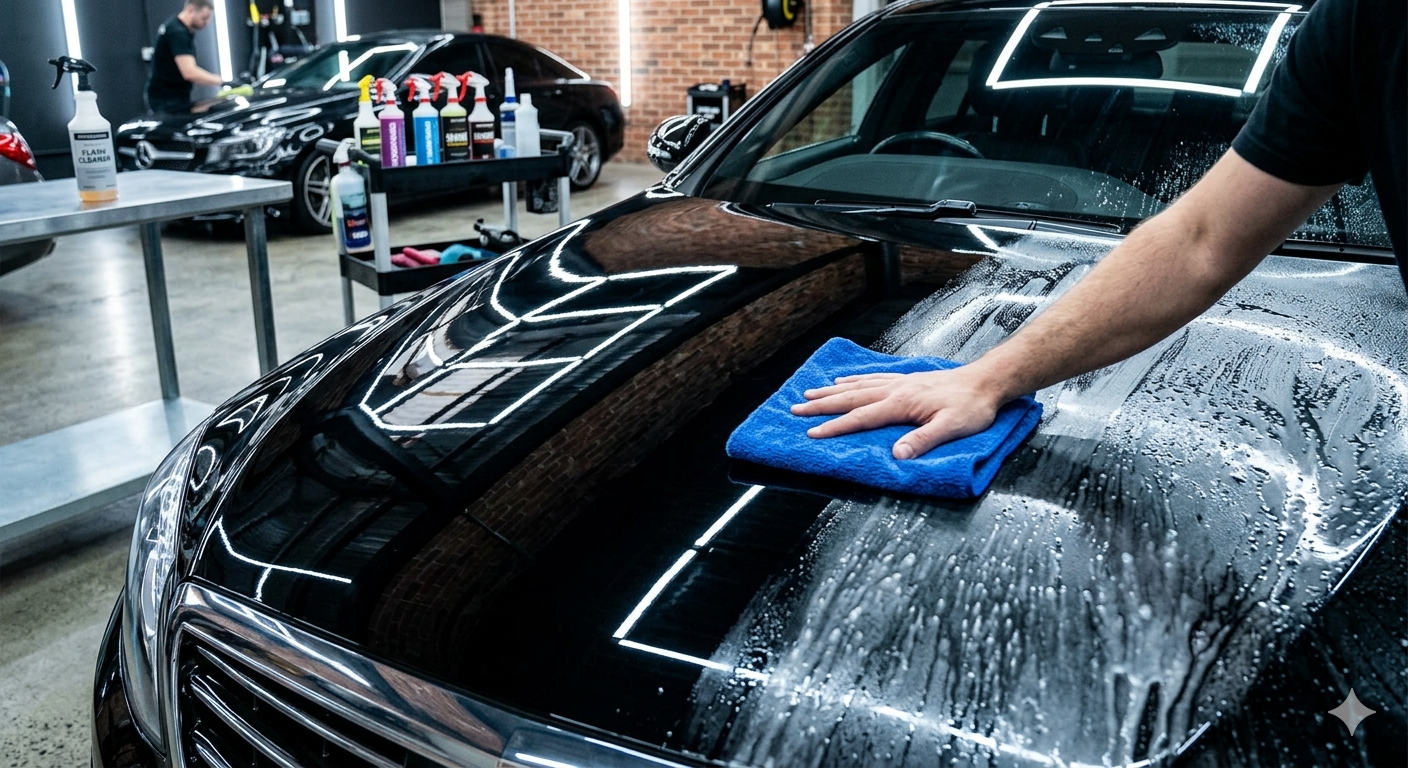
The Ultimate Guide to Flash Car Cleaner Achieving a Showroom Shine in Minutes
Maintaining a vehicle’s aesthetic appeal and structural integrity is a priority for every car owner, yet the modern schedule rarely allows for hours of manual scrubbing. Enter the revolutionary concept of the flash car cleaner a category of high-performance detailing products designed for speed, efficiency, and professional-grade results. In a world where first impressions are often tied to the vehicles we drive, keeping a car pristine is no longer just about vanity; it is about preserving a significant financial investment.
This comprehensive guide explores the science behind rapid-action detailing and how these advanced formulas break down stubborn road grime without damaging delicate clear coats. Whether you are a professional detailer looking to optimize your workflow or a weekend enthusiast seeking that elusive mirror-like finish, understanding the nuances of flash-dry technology and pH-balanced surfactants is essential. We will delve into the technical specifications, application methods, and the environmental considerations of modern car care. By the end of this article, you will have a complete blueprint for selecting the right products and mastering the techniques that provide a “flash” transformation, ensuring your vehicle remains protected against the elements while looking its absolute best.
The Evolution of Rapid Detailing Technology
Traditional car washing often involved buckets, hoses, and significant water waste. Modern chemical engineering has pivoted toward high-lubricity formulas that encapsulate dirt on contact, allowing for a safe wipe-away experience.
- Polymer Integration: Modern cleaners use synthetic polymers that bond to the paint.
- Time Efficiency: Reduces the washing process from 60 minutes to under 15.
- Water Conservation: Many rapid cleaners are designed as “waterless” or “rinseless” options.
Understanding the Chemistry of Flash Car Cleaner
A high-quality flash car cleaner relies on a specific pH balance to ensure it is tough on grease but gentle on wax or ceramic coatings. The “flash” aspect refers to the rapid evaporation rate of the carrier liquid.
- Surfactant Action: These molecules lift contaminants away from the surface.
- Emulsification: Breaking down oils and road film into a liquid state.
- Flash Rate: Controlled evaporation prevents water spots and streaking.
Surface Compatibility and Safety Standards
Not all cleaners are created equal. It is vital to ensure your chosen solution is compatible with various automotive materials, from matte wraps to chrome accents.
- Clear Coat Safety: Formulated to prevent micro-marring and swirl marks.
- Trim Restoration: Some cleaners include UV inhibitors for plastic and rubber.
- Glass Friendly: Many formulas are safe for windows, leaving a streak-free finish.
Key Benefits of Using a Flash Car Cleaner
The primary draw for most users is the immediate gratification of a clean vehicle, but the benefits extend far beyond simple aesthetics.
- Protective Barrier: Leaves behind a thin sacrificial layer of protection.
- Hydrophobic Properties: Encourages water beading, making future washes easier.
- Cost-Effective: Concentrated formulas often provide dozens of washes per bottle.
Necessary Tools for Professional Results
While the chemical does the heavy lifting, the tools you use are equally important. A flash car cleaner performs best when paired with high-GSM (Grams per Square Meter) microfiber towels.
- Microfiber Selection: Use 300-500 GSM towels for paintwork.
- Trigger Sprayers: Consistent atomization ensures even product coverage.
- Applicator Pads: Useful for targeted cleaning in intricate areas like grilles.
Step-by-Step Application for Maximum Shine
To achieve the best results, one must follow a systematic approach. Speed is the goal, but precision prevents the need for re-cleaning.
- Sectional Cleaning: Work on one panel at a time (e.g., the hood, then the door).
- The “Fold” Technique: Always use a clean side of the microfiber towel for every wipe.
- Buffing: Use a secondary dry towel to “flash” the product into a high gloss.
Comparative Analysis: Flash vs. Traditional Wash
Understanding where a flash car cleaner fits into your maintenance routine is key. It is often the superior choice for light to moderate dust.
| Feature | Flash Car Cleaner | Traditional Bucket Wash |
| Water Usage | Minimal to Zero | 20-50 Gallons |
| Time Required | 10-15 Minutes | 45-90 Minutes |
| Equipment | Towel + Spray | Hose, Buckets, Mitts, Soap |
| Finish | Gloss + Protection | Clean only (Requires Wax) |
Managing Stubborn Contaminants
While rapid cleaners are versatile, certain debris requires extra attention. Knowing how to pre-treat these areas ensures the paint remains scratch-free.
- Bird Droppings: Saturate the area and let the cleaner dwell for 30 seconds.
- Tree Sap: Use a concentrated application to soften the resin.
- Road Salt: Best handled with a high-lubricity formula to prevent abrasion.
Environmental Impact of Waterless Solutions
Eco-conscious consumers prefer a flash car cleaner because it eliminates toxic runoff into storm drains.
- Biodegradability: Many modern formulas are plant-based and eco-friendly.
- Resource Management: Saves hundreds of gallons of water annually per user.
- Regulation Compliance: Meets strict VOC (Volatile Organic Compound) standards.
The Role of Hydrophobic Polymers
One of the most impressive feats of modern car care is the ability to add protection during the cleaning phase.
- Tension Reduction: Lowers surface tension so water slides off effortlessly.
- Dust Repellency: Anti-static properties keep the car cleaner for longer.
- UV Shielding: Helps prevent paint oxidation and fading from sun exposure.
Interior vs. Exterior Flash Cleaning
Can you use a flash car cleaner inside the cabin? In many cases, yes, provided the formula is labeled as a multi-surface detailer.
- Dashboard Care: Cleans dust without leaving a greasy, reflective residue.
- Door Jambs: Ideal for those hidden areas that accumulate grease.
- Touchscreens: Specialized formulas can safely clean fingerprints from displays.
Troubleshooting Common Streaking Issues
If you encounter streaks while using a flash car cleaner, it is usually due to environmental factors rather than the product itself.
- Surface Heat: Never clean a car that is hot to the touch; work in the shade.
- Product Overload: Using too much spray can lead to hazy residues.
- Towel Saturation: Switch to a fresh towel once the current one is damp.
Case Study: The Mobile Detailer’s Secret Weapon
A professional mobile detailing business in Florida switched exclusively to high-lubricity flash car cleaner solutions for their maintenance packages.
- The Result: They increased their daily car volume by 40%.
- Customer Satisfaction: Clients praised the “just waxed” look achieved in minutes.
- Overhead Reduction: Lower water bills and less heavy equipment storage.
Weather Considerations for Detailing
Extreme temperatures can affect how a flash car cleaner behaves. Adjusting your technique based on the climate is vital for success.
- High Humidity: May slow down the “flash” time, requiring more buffing.
- Cold Climates: Polymers may take longer to bond to the paint surface.
- Direct Sunlight: Increases the risk of the product drying before it can be wiped.
The Science of Lubricity and Scratch Prevention
The biggest fear with rapid cleaning is scratching. The lubricity of a flash car cleaner is what makes it safer than a dry wipe or a poorly lubricated wash.
- Sling-Free Formula: Ensures the dirt is suspended within the liquid.
- Molecular Cushioning: Creates a barrier between the towel and the clear coat.
- Visual Clarity: Enhances the depth of the paint color by removing micro-film.
Seasonal Maintenance Schedules
Using a flash car cleaner isn’t just a summer activity. It is a year-round necessity to fight off seasonal damage.
- Spring: Perfect for removing pollen and light rain spots.
- Winter: Essential for removing light salt spray without freezing your pipes.
- Autumn: Quickly clears away leaf tannins and organic debris.
Cost-Benefit Analysis for the Average Owner
Is buying a premium flash car cleaner worth the investment compared to a $5 car wash?
| Aspect | DIY Flash Cleaning | Automated Tunnel Wash |
| Price per Wash | ~$1.50 | $10.00 – $20.00 |
| Paint Safety | High (No Brushes) | Low (Abrasive Brushes) |
| Convenience | At Home / Anywhere | Must Drive to Location |
| Customization | Full Control | Machine Standard |
Future Trends in Automotive Surface Care
As we look toward the future, the technology behind flash car cleaner products continues to integrate with nanotechnology and graphene.
- Graphene Infusion: Offering even harder sacrificial layers of protection.
- Self-Healing Polymers: Minor scratches may disappear with heat after cleaning.
- AI-Integrated Detailing: Smart sensors in cars that alert you when a flash clean is needed.
FAQs
How often should I use a flash car cleaner?
You can use it as frequently as daily. Because it contains protective polymers and high lubricity, it is designed for regular maintenance to keep dust and light grime from bonding to the paint.
Is a flash car cleaner safe for ceramic-coated cars?
Yes, most are excellent for maintaining ceramic coatings. They act as a “topper,” reinforcing the existing coating and adding an extra layer of gloss and hydrophobicity without using harsh chemicals.
Can I use it in direct sunlight?
While it is possible with some advanced formulas, it is always recommended to work in the shade. Direct sunlight causes the cleaner to evaporate too quickly, which can lead to spotting before you have time to wipe it.
Do I need to rinse the car with water first?
If the car is covered in heavy mud or thick grit, a rinse is necessary to prevent scratching. However, for everyday dust, road film, and light dirt, a flash car cleaner is designed to work without a preliminary rinse.
Will it remove old car wax?
Most pH-neutral rapid cleaners will not strip existing wax. In fact, many are designed to enhance and extend the life of your current wax or sealant.
What is the difference between a detailer and a flash cleaner?
A quick detailer is primarily for adding shine and removing fingerprints, whereas a flash car cleaner typically has higher cleaning power and better lubrication to handle actual dirt and road film safely.
Can I use it on matte finishes?
Check the label specifically. Many “gloss-enhancing” cleaners contain waxes or silicones that can ruin a matte finish by making it look blotchy or shiny. Look for a matte-specific rapid cleaner if your vehicle has a flat finish.
Conclusion
The automotive care industry has undergone a significant transformation, moving away from labor-intensive methods toward efficient, high-tech solutions. The flash car cleaner represents the pinnacle of this shift, offering a perfect balance between speed and professional-level protection. By utilizing advanced surfactants and hydrophobic polymers, these products allow vehicle owners to maintain a “just detailed” appearance with minimal effort and environmental impact.
Incorporating a flash car cleaner into your routine does more than just keep your car looking good; it builds a consistent layer of defense against oxidation, UV rays, and environmental contaminants. As we have explored, the key to success lies in choosing the right chemistry for your specific paint type and using the correct microfiber tools to ensure a scratch-free finish.
Whether you are managing a fleet of vehicles or simply want your daily driver to stand out in the parking lot, the convenience and effectiveness of rapid detailing are undeniable. Embrace the science of modern car care, and enjoy the satisfaction of a pristine vehicle that reflects your commitment to quality and excellence. The future of car maintenance is fast, clean, and incredibly bright. Invest in a quality formula today and experience the “flash” difference for yourself.