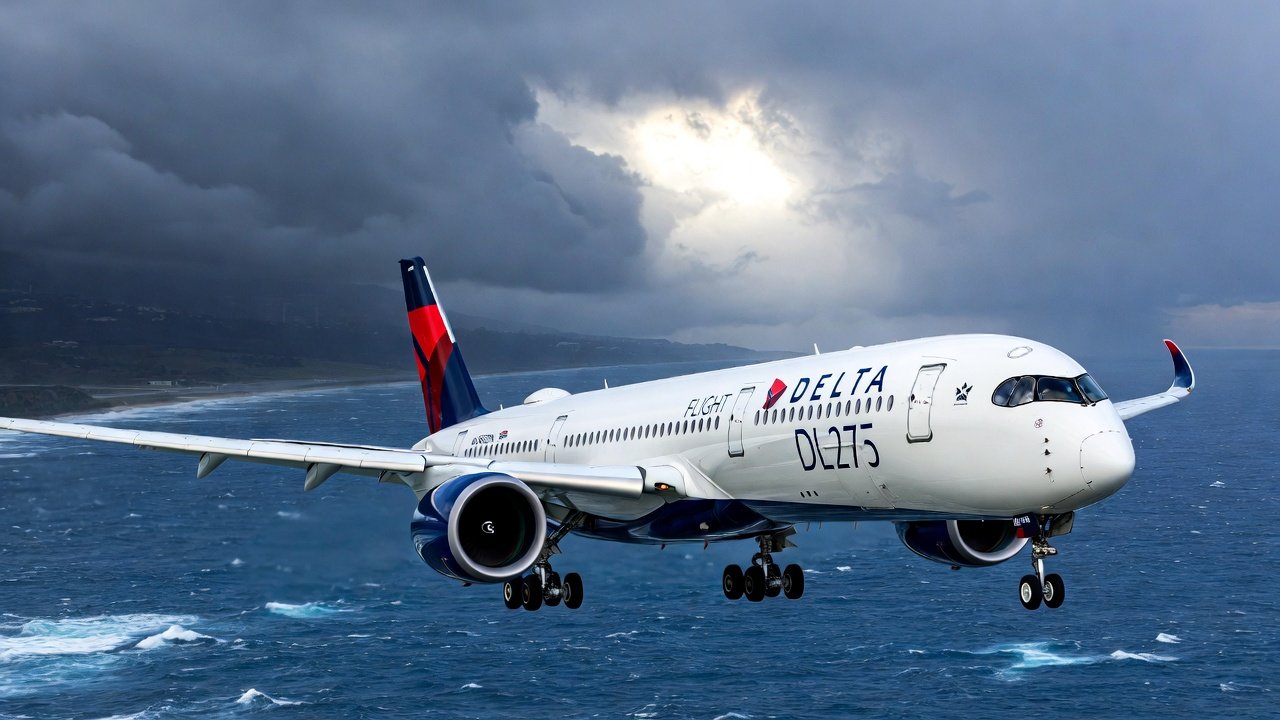
Delta Flight DL275 Diverted to LAX: What Caused the Turnaround, Key Timeline Details, and Aviation Tech Lessons for Safer Skies
Imagine settling into your seat for a long-haul journey from Detroit to Tokyo, expecting a smooth 13-hour crossing of the Pacific. Then, hours into the flight, the plane changes course dramatically and heads back toward the U.S. West Coast. That’s precisely what unfolded with Delta Flight DL275 in late May 2025, turning what should have been a routine transpacific trip into an unexpected diversion to Los Angeles International Airport (LAX).
This incident captured attention across aviation circles not just because of the dramatic reroute but because it highlights the sophisticated technology and split-second decision-making that keep modern air travel safe. In an era where aircraft generate terabytes of real-time data, events like this remind us how advanced systems from engine monitoring to global flight tracking work behind the scenes to prevent disasters.
In this comprehensive guide, you’ll discover the full story behind the Delta flight DL275 diverted LAX event, including the suspected technical trigger, exact timeline, passenger handling, and broader implications for aviation technology. Whether you’re a frequent flyer seeking practical tips or simply curious about how airlines manage mid-air challenges, this article delivers clear insights, data-backed analysis, and actionable advice to help you navigate unexpected disruptions with confidence. We’ll explore everything from engine anti-ice systems to predictive maintenance tools, showing why safety always comes first in today’s skies.
What Exactly Happened with Delta Flight DL275
The flight originated as a scheduled service from Detroit Metropolitan Wayne County Airport (DTW) to Tokyo Haneda (HND). Pilots and crew followed standard procedures until a cockpit alert prompted a careful reassessment mid-flight. Rather than pressing onward over remote ocean stretches, the team chose to divert for inspection and support.
No injuries occurred, and the Airbus A350-900 touched down safely at LAX after more than 12 hours airborne. Delta quickly arranged rebooking for everyone aboard, underscoring the airline’s focus on minimizing inconvenience while prioritizing safety protocols.
Timeline of the Delta Flight DL275 Diverted LAX Incident
Understanding the sequence helps clarify how quickly aviation teams respond. Here’s a clear breakdown based on flight-tracking data and reports:
| Time (Local/UTC) | Event |
|---|---|
| May 27, 2025 – 15:53 DTW | Departure from Detroit (slightly delayed from scheduled 14:05) |
| Several hours into cruise | Aircraft over Bering Sea / North Pacific; monitoring systems flag anomaly |
| Mid-flight decision point | Crew initiates diversion protocol and turns toward California |
| May 28, 2025 – 01:08 LAX | Safe landing on Runway 06R after 12 hours 15 minutes total flight time |
This extended duration nearly matched the original Tokyo route, showing the careful balance crews strike between fuel, distance, and safety margins.
The Aircraft Behind the Flight: Airbus A350-900 Spotlight
Delta operated the flight with an Airbus A350-900 registered N508DN, a widebody jet known for efficiency and passenger comfort. Equipped with Rolls-Royce Trent XWB engines, the plane features state-of-the-art composite materials that reduce weight while boosting strength.
These aircraft excel on long-haul routes thanks to advanced avionics and real-time health monitoring. In this case, the A350’s stable design allowed a controlled reroute without compromising cabin pressure or passenger experience.
Suspected Cause: Engine Anti-Ice System Alert Explained
Aviation experts point to a potential issue with the engine anti-ice system as the trigger. This critical component uses heated bleed air to prevent ice crystals from forming on fan blades and inlet guide vanes during high-altitude flight over cold Pacific corridors.
When cockpit indicators showed reduced performance possibly a drop in anti-ice flow rate the crew followed protocol. Continuing could risk gradual thrust loss in icing-prone zones, so diverting to a major hub with full maintenance capabilities made perfect sense.
Why Choose LAX as the Diversion Airport
LAX stands out as Delta’s key West Coast hub with specialized facilities for widebody aircraft. It offers 24/7 access to Rolls-Royce technicians, spare parts, and runways capable of handling heavy jets.
Alternatives like returning to Detroit or pushing toward Asia carried higher risks due to fuel reserves and remote terrain. Choosing LAX balanced immediate safety with operational efficiency, allowing quick inspections and onward connections for passengers.
Pilot and Crew Decision-Making in Real Time
Flight crews train extensively for scenarios like this. Upon detecting the alert, pilots cross-checked multiple systems, consulted with dispatch, and coordinated with air traffic control all while maintaining calm communication with passengers.
Standard operating procedures emphasize proactive diversion over pressing forward. In this event, the team’s training ensured a smooth outcome, demonstrating why human expertise combined with technology remains aviation’s strongest safety net.
Passenger Experience During the Unexpected Reroute
Travelers reported initial surprise but praised the crew’s clear updates. Cabin staff distributed extra snacks and kept everyone informed without causing panic. Upon landing at LAX, Delta teams met the plane with ground support, rebooking options, and hotel accommodations where needed.
Many passengers later shared stories of smooth handling, turning a potential ordeal into a manageable adjustment. This reflects Delta’s emphasis on customer care during irregular operations.
Delta Airlines’ Official Response and Support Measures
Delta confirmed the diversion stemmed from a precautionary mechanical review and stated all passengers reached their destinations safely via alternative routing. The airline covered meals, lodging, and rebooking fees per standard policy.
No formal statement detailed the exact technical fault common in ongoing investigations but the swift response aligned with industry best practices for transparency and care.
How Modern Aviation Technology Prevents Worse Outcomes
Today’s jets rely on sensors generating over 2.5 terabytes of data per flight. AI algorithms analyze trends in oil pressure, vibration, and temperature to flag issues early. In the Delta flight DL275 diverted LAX case, these systems provided the initial warning that allowed time for a safe reroute.
Such tech reduces reactive surprises and supports predictive strategies that could cut unplanned diversions dramatically.
Breaking Down Anti-Ice Systems on Long-Haul Jets
Anti-ice technology circulates warm air from engine compressors to protect critical surfaces. On the Trent XWB, this system operates at high temperatures to handle extreme conditions at 38,000 feet.
A partial reduction in flow can trigger alerts without immediate danger, giving crews ample time to act. Understanding this helps appreciate why even minor alerts prompt major decisions on oceanic routes.
Comparing Similar Diversions in Recent Aviation History
To put this event in perspective, consider these comparable cases:
| Incident | Date | Aircraft | Cause | Outcome |
|---|---|---|---|---|
| Delta DL275 to LAX | May 2025 | A350-900 | Anti-ice alert | Safe landing, full rebooking |
| United Pacific diversion | 2023 | B777 | Technical sensor issue | Quick recovery, minimal delay |
| Lufthansa oceanic reroute | 2024 | A380 | Weather + mechanical | Alternate hub support |
These examples show mechanical alerts account for a notable share of diversions, though weather remains the top trigger overall.
Broader Impact on Flight Schedules and Operations
One diversion ripples across networks. The aircraft required inspection, delaying subsequent flights, while passengers needed new connections. Delta mitigated this through its extensive hub system, but costs including fuel burn and lost revenue can reach hundreds of thousands of dollars.
Industry-wide, diversions cost carriers millions annually, driving investment in better monitoring tools.
Regulatory Standards Guiding Diversion Protocols
The FAA and international bodies mandate rigorous training and equipment standards. Pilots must evaluate fuel, weather, and maintenance options before deciding on an alternate airport.
Post-incident reviews often lead to fleet-wide checks, ensuring lessons from the Delta flight DL275 diverted LAX strengthen safety across all operators.
The Rise of Predictive Maintenance in Aviation Tech
Emerging AI platforms now forecast component failures hours or days ahead by correlating sensor data. Airlines like United and Lufthansa report significant reductions in unplanned events through these tools.
Had similar technology flagged the anti-ice trend pre-flight, the diversion might have been avoided entirely, saving time and resources while boosting reliability.
Flight Tracking Apps and Real-Time Public Insights
Tools like Flightradar24 let enthusiasts and families follow aircraft in real time. During this event, users watched the dramatic turn live, sparking discussions on Reddit and aviation forums.
These platforms enhance transparency and help passengers stay informed during irregular operations.
Practical Tips for Travelers Facing Potential Diversions
Stay calm and follow crew instructions. Download airline apps for instant updates and keep essential items in your carry-on. Consider travel insurance covering delays and missed connections.
Familiarize yourself with your rights under U.S. Department of Transportation rules carriers must provide meals, lodging, and rebooking for controllable disruptions.
What the Delta Flight DL275 Diverted LAX Teaches the Industry
This case reinforces that safety technology and human judgment work hand in hand. Even advanced aircraft occasionally encounter alerts, but robust systems ensure quick, safe resolutions.
Ongoing advancements in sensors and AI promise fewer surprises, making future travel even more reliable.
FAQs
What caused the Delta flight DL275 diverted LAX incident?
Reports indicate a technical alert related to the engine anti-ice system on the Airbus A350-900. Crews acted proactively to avoid potential issues over the Pacific.
When and where did Delta Flight DL275 originally depart?
The flight left Detroit Metropolitan Airport on May 27, 2025, bound for Tokyo Haneda before the mid-route change.
How long was the actual flight time after diversion?
Passengers spent about 12 hours and 15 minutes airborne before landing safely at LAX the following morning.
Did any passengers get injured during the event?
No injuries were reported. Everyone deplaned normally, and Delta arranged prompt rebooking and support.
Why didn’t the plane return to Detroit instead of going to LAX?
LAX offered immediate access to specialized maintenance facilities and Delta’s West Coast operations hub, making it the safer and more practical choice.
Will Delta refund or compensate affected passengers?
Yes standard policy covers rebooking, meals, and lodging for disruptions like this. Check your booking confirmation or contact Delta directly for details.
How can I track flights to avoid similar surprises in the future?
Use apps like Flightradar24 or the Delta mobile app for live updates. Enable notifications for your specific flight number.
In summary, the Delta flight DL275 diverted LAX serves as a powerful example of aviation’s commitment to safety above all else. From the moment the alert appeared to the smooth landing and passenger care, every step reflected years of engineering, training, and operational excellence. While disruptions can feel frustrating, they stem from the same systems that have made flying safer than ever.
Moving forward, expect even smarter predictive tools to minimize these events while keeping costs in check. As a traveler, you can feel more confident knowing that incidents like this drive continuous improvement. Next time you board a long-haul flight, consider the invisible technology working tirelessly overhead. Stay informed, pack smart, and trust the professionals who turn potential challenges into routine successes. Safe travels here’s to smoother journeys ahead in our increasingly connected world.